My Leadership Philosophy
Strong organizations are built by strong people.
I have always been a student of leadership. I believe leadership skills can be taught, practiced, refined, and strengthened over time.
The role of a leader is not to make every decision, solve every problem, or become indispensable. The role is to build people and systems that can succeed together.
That means setting a clear direction, listening carefully, establishing expectations, giving people meaningful responsibility, and creating an environment where accountability and trust can coexist.
Principles
How I approach leadership.
Listen First
Leadership begins by understanding people, context, and the challenges in front of the team. Listening builds trust and creates better decisions.
Take Ownership
Leaders are accountable for both their own actions and the performance of the team. Ownership creates clarity, credibility, and the ability to improve.
Develop People
The strongest organizations are built by people who are trusted, challenged, supported, and given room to grow.
Build Relationships
Sustainable results come from strong relationships with staff, volunteers, donors, families, community leaders, and partners.
Protect the Mission
Innovation should strengthen tradition—not replace it. Progress matters most when it helps the mission reach more people without losing what makes Scouting distinctive.
Measure What Matters
Leadership should create visible progress: stronger teams, healthier units, deeper partnerships, sustainable resources, and better experiences for young people.
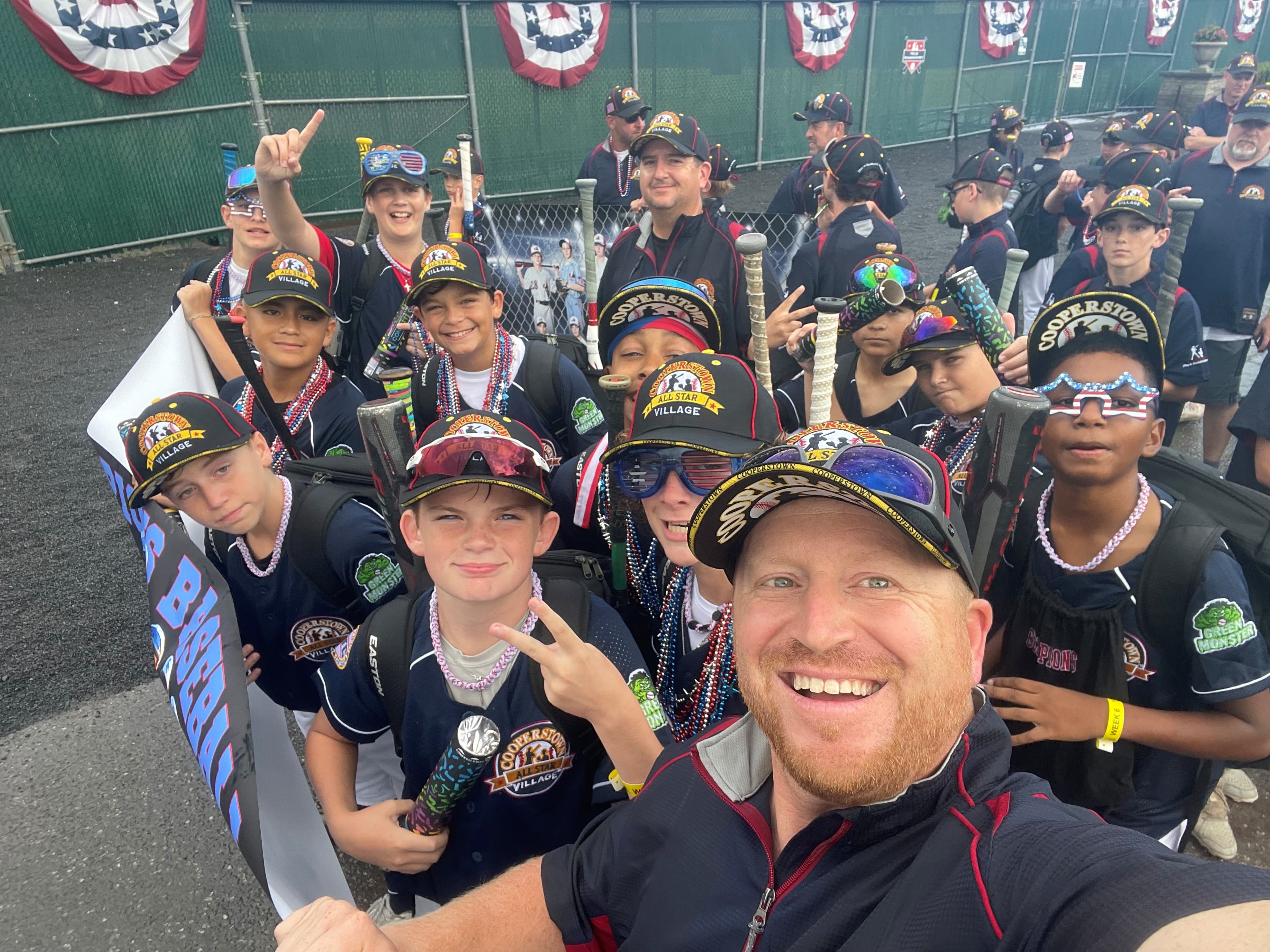
Developing People
Leadership is built through experience.
I believe people grow when they are trusted with meaningful responsibility, challenged to stretch beyond what is comfortable, and supported by leaders who are invested in their success.
Some of the most important leadership development happens outside formal meetings and job descriptions. It happens through shared experiences, honest conversations, mentoring, and opportunities to learn together.
Leadership development is not a program. It is a culture.
Ownership
Accountability starts with the leader.
One of the most important lessons I have learned is that leadership requires ownership. A leader cannot take credit for the wins while distancing themselves from the failures.
When something goes wrong, the first question should not be, “Whose fault is this?” It should be, “What was my role, what could I have done differently, and what do we need to learn?”
“Only when you take full ownership of your actions and the actions of your team, regardless of fault, can you become a true leader.”
The Standard
Character gives leadership credibility.
The Scout Law remains one of the clearest descriptions of the kind of character effective leadership requires: trustworthy, loyal, helpful, friendly, courteous, kind, obedient, cheerful, thrifty, brave, clean, and reverent.
Those values matter not because they are words on a page, but because they shape how leaders treat people, make decisions, respond to challenges, and earn trust.
Character earns trust. Leadership turns that trust into service.
From Philosophy to Practice
Leadership should produce meaningful results.
The measure of leadership is not the philosophy alone. It is what that philosophy enables people and organizations to accomplish.
Explore Executive Impact